The very word “lack” is enough to send most of us into a tailspin. And if you’re trying to figure out how to get out of a rut, chances are lack is exactly what you’re feeling right now. The minute we think we are in lack we realize what we don’t have.
Our stomach sinks, our heart races, our palms sweat, and our brains go into survival mode at the thought. Bottom line: we’ve been taught that lack is a terrible thing.
And I’d like to turn that on its head.
Feeling stuck is a normal part of life. A lot of people hit a wall at some point, and that flat, drained feeling is one of the most common signs that something in your current situation wants to change.
What is Lack?
Lack is simply an indicator of where we feel we are now and suggests that something different may be wanted. It is also a courageous first step of acknowledging what’s going on for us right now. It sets us on the path of looking for what’s next.
Think about it this way:
All things that we want in life we desire for the simple reason that we don’t have them.
Right? When we start feeling unhappy about what we don’t have, this perception of lack can take us one of two ways. If the lack of something begets desire, you’re on your way to creating what you want.
If the lack of that something begets negative thoughts, unhappiness, and negative self-talk, you’re on your way to defeat, because negativity feeds defeat and that feeling of lack only increases.
Basically, lack’s job is to make you aware of what you want.
When the sense of lack feeds desire and inspiration, lack has done its work. It has identified the next object of your desire and pointed you in the right direction. Now, with a clear goal and elevated emotions like excitement and appreciation, you can set off toward what you desire. As you head that way, the forward motion creates a state of purpose that uplifts you even further.
With purpose you become inspired, another elevated emotion that keeps you on the right path you’ve set out upon. Add gratitude, couple it with commitment, and you’ve built a solid pathway to your goal and a real driver of personal growth.
Lack as Friend
Seen this way, lack is a friend and a giver of clues. So before you spiral into the doldrums when you sense a lack in your life, remember you’ve simply been handed a valuable clue pointing toward change. Pay attention. The first sign is often subtle. Use lack well and you’ll discover quite quickly the goals that motivate you and the purpose attached to them.
Bottom line: lack is one of those places in our lives where transformation takes place.
We move from lack to fulfillment over and over again. Used properly, lack opens the door to what’s possible. Unfortunately, people too often sit in lack and wallow over what they don’t have. That’s exactly how a rut deepens. The longer you sit without using lack as a signal, the harder it gets to find your way out, and the more it can start to feel like an emotional rut or a mental rut you can’t shake.
One quick note before the tools. A temporary slump is different from something deeper. If the low energy, lack of motivation, and flatness last a long time and bleed into every part of your life, there may be underlying issues worth attention.
Persistent low mood can point to something like persistent depressive disorder, and your mental health deserves real care, so talking to a professional is a smart move. For an ordinary rut, though, the steps below will do the job.
Working Through It
How do you get yourself out of such a pickle? Ask yourself some questions and get the inspiration ball rolling.
For example, I worked with a young man who was bored and burned out, stuck in an 8-to-5 job, a classic case of someone desperate to get out of a rut. There was no flexibility in his work and his creativity was stifled.
Every day blurred into the next, a kind of groundhog day built entirely from the daily grind. He clocked in, he clocked out. When I asked how he felt, his answer was no surprise: “Work? It’s no fun! And I hate being micromanaged!”
I took him through these questions:
- How is the feeling of lack showing up for you?
- Is there something that needs to stop or a pattern that needs to change?
- What do you really desire?
- How would it feel to achieve that desire?
- Is that feeling strong enough for you to create movement toward your goal?
His answers:
- I’m feeling a lack of freedom to do my work my way.
- I want the micromanaging to stop.
- I want to be my own boss.
- It would feel wonderful, freeing, and engaging.
- It feels intoxicating. Yes. The pull is getting stronger and stronger.
Notice how the lack got him to name a goal he actually wanted and pointed him toward freedom. Because he was willing to look at the lack of freedom, he could create direction, purpose, and a goal. He said he was “pumped” because the thought of being his own boss filled him with excitement and a sense of accomplishment.
“I can already see myself driving home on a Friday afternoon with a big smile on my face!” he said.
In a follow-up session, he noticed that developing his goal gave him more buy-in with his company. Instead of assuming he’d have to leave to be his own boss, he went to his manager and expressed his desire to move into a new role.
To his surprise, his dream was met with encouragement, and together they mapped out the necessary steps and a few achievable goals to get there.
“I now have a compass to know when I’m on track. I know how I want to feel at work and about my work. I can’t believe I ever let myself feel that stuck before!”
Small Steps to Climb Out of a Rut
Big change rarely happens in one leap. The way out is usually a series of small steps and steady positive actions rather than one dramatic move. Try these when you feel stuck:
- Change your scenery. A simple change of scenery hands you a fresh perspective fast. Take a different route to work, rearrange your desk, or work from a new spot for a day.
- Shake up your routine. Tweak your morning routine, or your daily routine, so today stops feeling like a carbon copy of the last time. Even small changes break the autopilot.
- Try something new. A new hobby, a new skill, or a new project introduces new experiences that wake up your curiosity and remind you that you’re still growing.
- Set one small goal. Forget the giant leap. Pick one small goal and take a single little step today. Build a short to-do list of simple tasks you can actually finish, then add to it tomorrow.
- Move your body. Regular exercise does more for your physical health and your mood than almost anything else.
- Protect your rest. Getting enough sleep keeps your thinking clear when you’re working through it.
- Lean on your people. Supportive people make a real positive impact when you’re stuck. A trusted family member can help you see options you’d miss on your own.
- Reconnect with what matters. Revisit your personal values and your past experiences of getting unstuck before. Recall the first time you pushed through a hard time and came out the other side.
- Try a different approach. If your usual way of operating isn’t working, attacking the same problem from a new angle can be what breaks the logjam.
The Bigger Picture
A rut isn’t a failure. More often it’s a nudge to step outside your comfort zone and into a better place. The common reason people stay stuck is that they wait for motivation before they act, when it actually works the other way around. One small move today builds the momentum that becomes a renewed sense of purpose. Whether you’re chasing a new job, your dream job, or just a lighter week, the next step is yours to take.
Practice:
Now find where lack shows up for you. If you’re ready to get out of a rut, start here:
- How is the feeling of lack showing up for you?
- Is there something that needs to stop or a pattern that needs to change?
- What do you really desire?
- Where do you feel that lack?
- How would it feel to achieve that desire?
- Is that feeling strong enough for you to create movement toward your goal?
Pro tip: If you can’t get excited or invested in what you want, either your goal isn’t big enough or your sense of lack isn’t intense enough to ignite a shift.
Keep a journal on how your sense of “lack” transforms after this exercise.
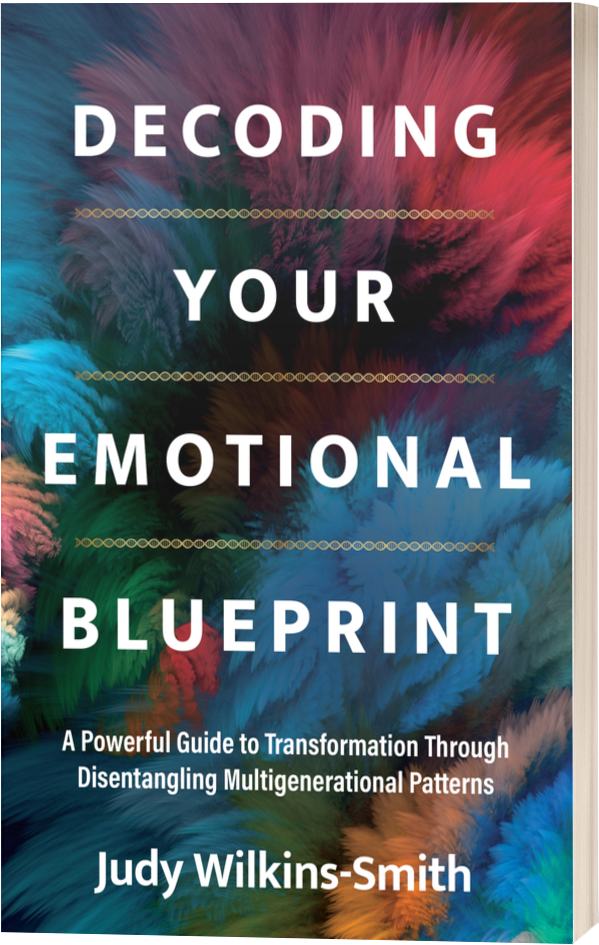
Access your free chapter of Decoding Your Emotional Blueprint
Uncover the secrets of your Emotional DNA and start transforming your life today. Get the first chapter of Decoding Your Emotional Blueprint by Judy Wilkins-Smith for FREE and take the first step toward remarkable change!