When you’re under pressure, the instinct is to tense up and match the chaos around you, which seems completely normal in high-pressure situations. But if you’ve ever wondered how to stay calm under pressure, the answer is probably not what you’d expect. The best way to get results often comes from doing the counterintuitive thing: relaxing. And that single shift can change everything in your daily life.
That single word “relax” is probably the one word that the Universe wishes we would all learn. Why? Because often the answer to heightened tensions and chaos is just that. Think about it logically. When there is chaos and tension around us, we usually go into fight, flight, freeze, faint or fold mode. This is pretty common to humanity. And when any of these things happen, we lose our ability to think rationally and make good decisions. Physiologically, our brain activity moves from the frontal cortex to the reptilian brain and survival mode, which means that we cannot make rational decisions or figure out what to do next — even when tight deadlines or a heavy workload are involved.
How many times have you tried desperately to de-escalate a tense situation, all to no avail? The words don’t come out right, if they come out at all. Often, what you say just makes things worse. And then, much to your surprise, when you finally give up and relax, things sort themselves out just fine. You actually connect with the people around you. Suddenly you find yourself better able to hear others’ point of view. You’re more willing to shift and explore new possibilities. And as that happens, everybody is able to know the right things to say and do, even in high-stress situations.
That’s because when you relax, you’re able to synchronize with your surroundings and other people. You’re able to access your creative brain, and all sorts of helpful problem-solving skills have the space to open up.
Do you struggle with difficult relatives or co-workers? Year after year, you try desperately to fit in and never do. Or you struggle with your boss. Or your kids. You try desperately to get them to behave until you suddenly can’t find the energy to even care anymore. But isn’t it strange that when you withdraw the energy of trying to force and fix things, situations often seem to relax and resolve, even the stickiest of family dynamics in your personal life? Relaxation takes blame, shame and negative emotions off the table, triggering the production of oxytocin and other hormones of wellbeing, activating the parasympathetic nervous system and allowing us to be curious and open instead.
And then sometimes we even tensely pre-worry, imagining the worst-case scenario before anything has even happened! We bring unnecessary negativity into the room with us and, sure enough, the meeting goes sideways, or the contract doesn’t get signed, and everything falls apart, just like we were worried it would do. And someone telling you to relax, or even telling yourself to “relax” in that moment, just meets with even greater resistance, annoyance, and even anger.
What To Do
In a world filled with stress, and it’s getting more stressful every day, the art of practicing relaxation is something I still have to pay attention to. Even though I’m well aware that stress raises stress levels and can contribute to heart disease and high blood pressure over the long run, I can still get caught up in tension and fight/flight mode. These are the kinds of signs of stress and body’s stress signals we all need to learn to recognize.
One of the most effective ways I manage this, and I teach clients to do this as well, is to use a breathing technique, a couple four-count in-breath/hold/out-breath/hold cycles, similar to box breathing, before stepping into a meeting. This slow breathing practice triggers the relaxation response and brings you back to the present moment. I do the same thing before jumping into the fray if things ever get heated in high-stress scenarios.
Whether in a business situation or not, I practice being very present with people, listening very carefully before offering a point of view or thought. This is a powerful tool for effective communication and clear communication, and I cannot tell you how many clients thank me just for that one small pointer. By taking a minute to listen and pause before speaking, we are listening with our ears open, not our mouths. Plus, not believing we have to have the answers immediately also allows us to relax and make better decisions.
The result is a more thoughtful engagement. And don’t you know that others appreciate that thoughtfulness and presence! This builds momentum toward a positive attitude, and pausing to be appreciative of another person’s perspective often generates incredibly fruitful discussions, which in turn open the doors to solutions. Positive self-talk and staying around positive people rather than negative people reinforces this further and goes a long way toward building mental resilience and emotional intelligence in times of stress.
Start with Relaxation
Most of us thrive on being hyper-efficient. The alarm goes off in the morning and we’re out of bed and into our day like a race horse shot out of the starting gate. But if you start instead by giving your body and mind a minute or two of complete relaxation before doing anything else, your day will unfold to be much brighter and, yes, efficient. This first step alone is one of the best things you can do for your mental health and energy levels.
Here are some simple tips and actionable techniques, different ways you can relax and give yourself the feel-good A.M. start and build a calm mindset over time with regular practice.
Before you get out of bed, take one minute to relax as completely as you possibly can. Take a few deep breaths and exhale completely. Feel your chest and belly rise and fall. Think about something that you really love and smile. Feel that smile throughout your body. Let it warm you. Notice your heart rate slow and your heart racing settle. Brushing your teeth, notice if you’re tense. Are your shoulders drawn up? Are your leg muscles tense? Intentionally r-e-l-a-x them.
These are early warning signs that stress is already building in your body. If you are in a meeting, notice when your shoulders, jaw, gut, or legs are tensed up and intentionally relax them. This could be as simple as leaning back in your chair while still being focused on what is being discussed, stretching just a bit. Be aware of slowing your breath. Mindfulness exercises like this are a great way to stay grounded. Before transitioning from one portion of your day to the next, take a one-minute self-care break.
Look out of the window or at a photo of your loved ones on your desk. Step away from social media. Find that inner smile. (You could even spin around in your chair!) Before speaking at a meeting, remind yourself that you know what you are talking about and don’t overprepare. The only thing you achieve by overpreparing is a catatonic captive audience. Longer isn’t better. Speak from the heart. BREATHE. You will relax and so will your audience.
This is one of the most important tips for anyone facing high pressure situations regularly. When you get home, change into leisure clothes first thing. This will help ensure you drop into a more relaxed state of being and protect your emotional responses from carrying the weight of the day forward. (Shout out to my late father and my mother for always taking ten minutes when he came home to debrief, change clothes, and be able to come out smiling for the kids. Thanks mom and dad!)
When you get into bed, relax completely before you even close your eyes. Take a few of those long, slow breaths. Find something to smile about that happened in your day and take that smile into slumber. A healthy lifestyle and regular exercise combined with regular physical activity will make this even easier over time.
Relaxation is the art of building your health, connection, and well-being, and goes a long way toward developing cognitive habits that support the right mindset and greater confidence the next time pressure strikes. Try taking on a 14-day Relaxation Challenge, a manageable task that functions like a mindfulness meditation practice, where you make sure you do all the little exercises above every day. Build the habit of relaxation, with immediate actions taken consistently, the results in the long run are truly transformative.
I cannot wait to hear your results!
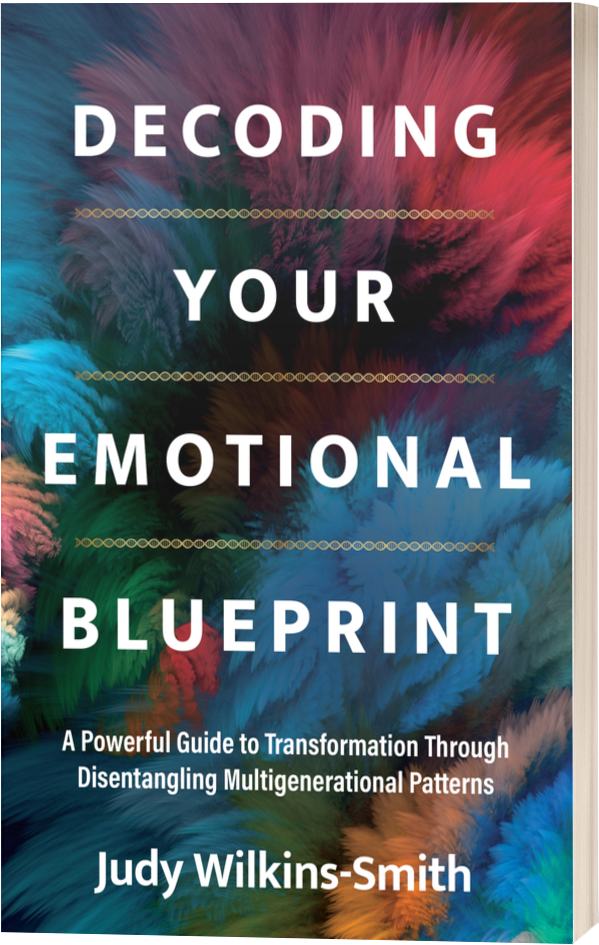
Access your free chapter of Decoding Your Emotional Blueprint
Uncover the secrets of your Emotional DNA and start transforming your life today. Get the first chapter of Decoding Your Emotional Blueprint by Judy Wilkins-Smith for FREE and take the first step toward remarkable change!